





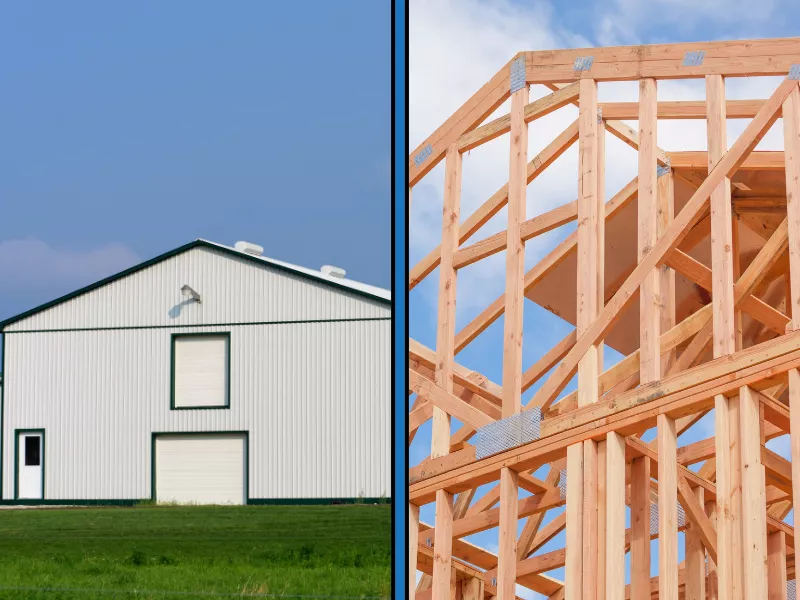
Metal Building vs Pole Barn: Which Is the Better Investment?
When property owners start planning a new garage, barn, workshop, or storage structure, one question comes up almost immediately: metal building vs pole barn, which is the better investment? Both options are popular, both serve practical purposes, and both can be customized for residential use. However, the long-term value, durability, and cost efficiency between the two can be very different.
This guide breaks down the real differences between metal buildings and pole barns so you can make a confident decision based on budget, performance, and future needs. We will compare materials, construction methods, maintenance requirements, and resale value to help you decide which structure delivers stronger long-term returns.
Understanding the Basics: Metal Buildings and Pole Barns
Before comparing investment value, it helps to understand what each structure actually is and how it is built.
What Is a Metal Building?
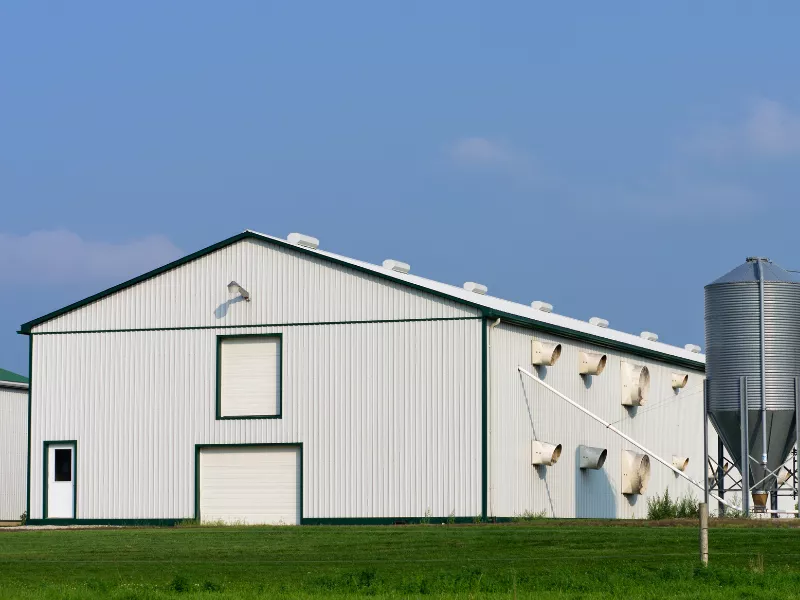
A metal building is a structure built with steel framing and metal panels for the roof and walls. These buildings are often pre-engineered, meaning the components are designed to work together for strength, efficiency, and consistency.
Metal buildings are commonly used for:
- Garages and workshops
- RV and boat storage
- Agricultural buildings
- Residential storage structures
They are typically installed on concrete foundations and engineered to handle wind, snow, and long-term use.
What Is a Pole Barn?
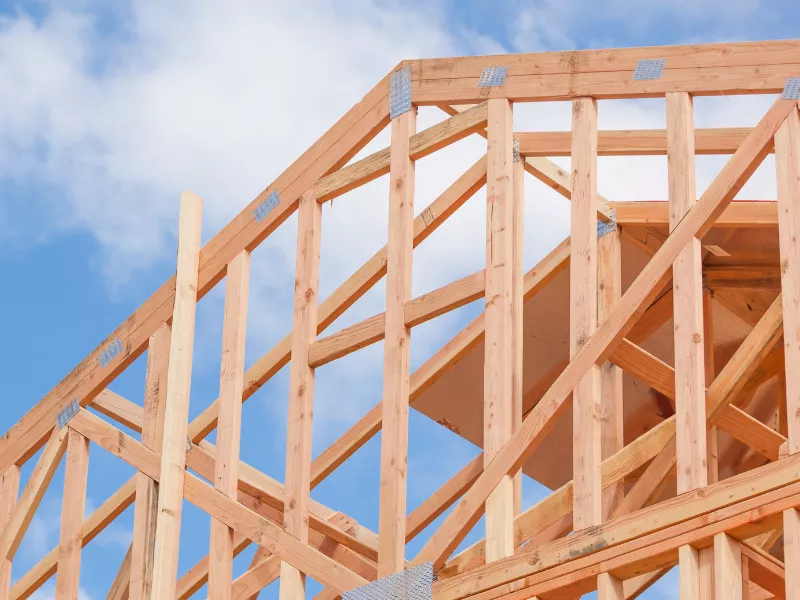
Pole barns use large wooden posts set into the ground or mounted to piers as the primary structural support. The roof and siding are often metal, but the framing relies heavily on treated lumber.
Pole barns are frequently chosen for:
- Agricultural storage
- Equipment shelters
- Budget-focused builds
- Open-span utility buildings
While pole barns can be cost-effective upfront, their construction style creates different long-term considerations.
Metal Building vs Pole Barn: Initial Cost Comparison
One of the biggest deciding factors for most property owners is upfront cost.
Pole Barn Construction Costs
Pole barn construction usually has a lower initial price because:
- Fewer materials are required
- No full concrete foundation is necessary
- Wood framing is often cheaper at the start
This makes pole barns attractive for short-term or lower-budget projects.
Metal Building Costs
Metal buildings typically cost more upfront due to:
- Steel framing
- Engineered components
- Concrete foundation requirements
- Higher material quality
However, the initial price does not always reflect overall investment value.
Key takeaway: Pole barns often cost less to build, but metal buildings tend to provide stronger long-term financial returns.
Durability and Structural Strength
Durability plays a major role in determining which structure is the better investment.
Metal Building Performance
Metal buildings are designed for strength and consistency. Steel does not warp, rot, or attract pests, which gives metal structures a significant durability advantage.
Benefits include:
- Resistance to termites and insects
- Consistent structural integrity over time
- Better performance in high wind and heavy snow
- Reduced risk of sagging or shifting
Because components are engineered, metal buildings offer predictable performance for decades.
Pole Barn Durability Concerns
Pole barns rely on treated wood posts, which are still vulnerable to:
- Moisture absorption
- Ground contact decay
- Insect damage
- Long-term warping or cracking
Over time, posts set into the ground may weaken, especially in areas with high moisture or poor drainage.
Investment perspective: Metal buildings hold their structural integrity longer, reducing future repair and replacement costs.
Maintenance and Long-Term Ownership Costs
The true cost of any building shows up after construction is complete.
Metal Building Maintenance
Metal buildings are known for low maintenance requirements. Most upkeep involves:
- Occasional inspections
- Minor panel or fastener checks
- Basic cleaning
Steel framing does not require treatment, sealing, or replacement under normal conditions.
Pole Barn Maintenance
Pole barns typically require more ongoing attention, including:
- Monitoring for rot at post bases
- Treating or replacing damaged wood
- Addressing shifting or uneven framing
- Managing moisture exposure
These maintenance needs increase ownership costs over time.
Long-term value insight: Lower maintenance often makes metal buildings the more cost-effective investment over decades.
Lifespan and Resale Value
When evaluating metal building vs pole barn, lifespan and resale value are often overlooked but extremely important.
Metal Building Lifespan
Metal buildings are designed for long-term use and often last 40 to 60 years or more with minimal maintenance. Their engineered construction and material stability make them attractive to future buyers.
They are commonly viewed as permanent structures that add real property value.
Pole Barn Lifespan
Pole barns generally have a shorter lifespan due to wood degradation and ground contact issues. While well-built pole barns can last many years, they are often seen as utility structures rather than permanent improvements.
This can impact resale appeal.
Resale takeaway: Metal buildings typically contribute more to property value and buyer confidence.
Customization and Future Use Flexibility
Another key investment factor is how adaptable the structure is over time.
Metal Building Flexibility
Metal buildings offer excellent customization options, including:
- Enclosed or open designs
- Insulation packages
- Finished interiors
- Electrical and plumbing integration
They can easily transition from storage to workshop to hobby space as needs change.
Pole Barn Limitations
Pole barns can be customized, but structural limitations may restrict:
- Interior finishing options
- Insulation efficiency
- Long-term conversion potential
If future use is uncertain, flexibility matters.
Professional Metal Building: Why Construction Quality Matters
No matter which option you choose, working with the right metal building builder or contractor plays a major role in investment performance.
A properly designed metal building relies on:
- Accurate engineering
- Quality materials
- Correct installation practices
- Attention to site preparation
Poor construction can reduce the benefits of even the best materials.
Pole Barn Builder: What to Consider Before Choosing
When working with a pole barn builder, it is critical to understand:
- Post treatment methods
- Soil conditions
- Drainage planning
- Long-term support expectations
Pole barns can perform well when built correctly, but shortcuts during construction often lead to future problems.
Metal Building Service vs Pole Barn Construction: Which Delivers Better Value?
From an investment standpoint, comparing metal building service options to traditional pole barn construction reveals some clear trends.
Metal buildings often provide:
- Greater structural reliability
- Longer lifespan
- Lower long-term costs
- Higher resale appeal
Pole barns may work well for short-term needs or budget-focused projects but often require more maintenance over time.
Which Is the Better Investment?
When evaluating metal building vs pole barn, the better investment depends on your goals.
Metal buildings are typically the better investment if you want:
- Long-term durability
- Lower maintenance
- Strong resale value
- Flexible future use
Pole barns may make sense if you need:
- Lower upfront cost
- Simple utility storage
- Shorter-term use
For many residential property owners, the long-term benefits of a metal building outweigh the initial savings of a pole barn.
How Paramount Structures Can Help
At Paramount Structures, we help homeowners choose the right building solution based on real-world performance, not guesswork. With leadership experience exceeding 35 years and hands-on building knowledge guiding every project, we focus on dependable construction that holds up over time. Whether you are comparing metal buildings to pole barns or planning a custom structure for your property, we provide clear guidance, solid materials, and reliable service you can count on. Our goal is to deliver a structure that fits your needs today while protecting your investment for years to come.
Final Thoughts
Choosing between a metal building and a pole barn is more than a pricing decision. It is about long-term value, durability, and confidence in how your structure will perform over time. By understanding the differences in construction, maintenance, and lifespan, you can make a smarter investment that supports your property and your future plans.
If you are weighing your options, taking the time to compare now can save significant costs later.